
How to Become a Residential Block Property Manager
Sep 01, 2026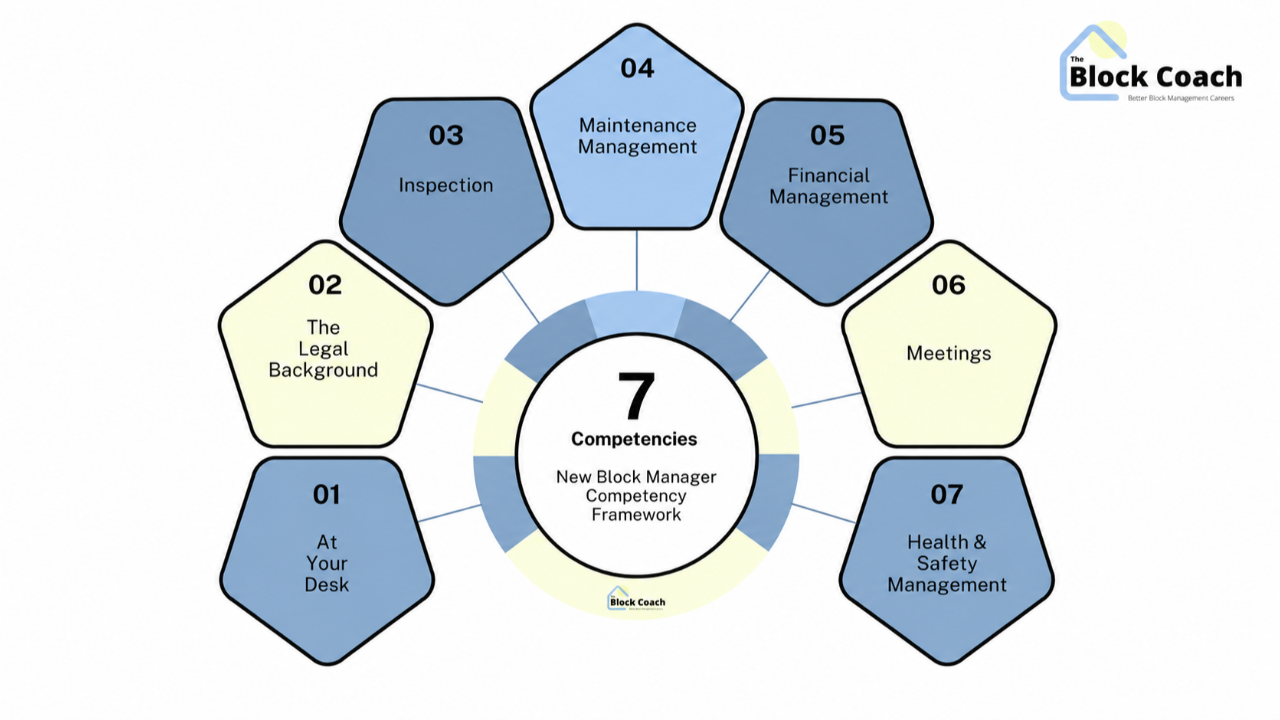
How to Become a Residential Block Property Manager
The skills, qualifications and block management training you need to begin your property management career
By Joe Mallon MRICS FTPI
So, you want to know how to become a property manager?
More specifically, perhaps you want to know how to become a residential block property manager: someone responsible for managing blocks of flats, residential estates and the communities that live within them.
Spoiler alert: you’re going to need some proper block management training and property management training along the way.
It’s not an easy job.
But it can be such a rewarding one.
There is an enormous amount to learn, and so many opportunities to grow.
As a residential block property manager, you’re responsible for the successful stewardship of residential communities. That means:
-
Keeping people and buildings safe
-
Stabilising and managing service charge finances
-
Organising repairs and planned maintenance
-
Navigating leases and legal requirements
-
Communicating with residents, clients and contractors
-
Inspecting buildings and identifying problems
-
Solving issues when things don’t go to plan
And much more besides.
With earning opportunities for experienced block property managers now often outperforming those available in some traditional surveying disciplines, it’s a good time to consider residential property management as a career path.
What Does a Residential Block Property Manager Do?
A residential block property manager looks after the shared areas, services, finances and maintenance arrangements within blocks of flats and private residential estates.
Depending on the portfolio, the role might involve managing service charge budgets, instructing repairs, visiting buildings, checking health and safety actions, arranging meetings and communicating with leaseholders, residents, freeholders and management company directors.
It is a varied role, but that variety also explains why structured property management training is so important. New block managers are expected to understand buildings, people, money, leases, safety and customer service, often at the same time.
How to Be a Property Manager: The Seven Core Competencies
I’ve spent a lot of time thinking about the competencies required to become an effective block property manager.
The result is the New Block Manager Competency Framework, which identifies seven essential areas of knowledge and practical ability. You won’t master all seven on your first day, but any worthwhile block management training programme should help you build confidence in each area as your career develops.
1. At Your Desk
I really do think this is something many traditional property management training routes leave out.
Some training is designed or delivered by people who have never actually sat at a desk and managed a portfolio from day one. That matters, because a significant part of block management happens at your desk, where you’ll manage emails, organise tasks, maintain accurate records and keep residents, clients and colleagues informed.
Learning how to prioritise competing demands and retain control of your workload is one of the first practical skills every new property manager must develop.
2. The Legal Background
Residential block management is underpinned by leases, legislation, contracts and statutory procedures, so you need to understand the legal basis on which decisions are made.
You don’t need to become a solicitor, but you must recognise when legal requirements apply, follow the correct process and know when specialist advice is needed. Good block management training should help you understand how leases, legislation and management responsibilities connect in the real world.
3. Property Inspections
Regular, purposeful property inspections allow you to understand the buildings you manage and identify developing problems before they become expensive emergencies.
A good block property manager learns to observe carefully, record findings accurately and turn inspection notes into clear, trackable actions. This is one area where practical property management training, including examples from real buildings, can make a significant difference.
4. Maintenance Management
Maintenance management involves diagnosing problems, instructing contractors, comparing quotations and monitoring work through to completion.
It also means balancing urgency, quality, cost and communication while keeping residents and clients properly updated. You’ll need to understand the difference between reactive repairs, planned maintenance and major works, as well as when professional advice may be required.
5. Service Charge and Financial Management
Every block property manager needs to understand service charge budgets, expenditure, arrears, reserve funds and financial reporting. You must be able to explain where residents’ money is being spent and make financially responsible recommendations about immediate needs and future works.
Where are you in the financial year? What is a service charge budget, how do you prepare a first draft and how do you interpret a set of service charge accounts?
You’ll need proper guidance and mentoring on these points to survive your first year in the role. A property management training course that only explains financial terminology, without showing you how to draft and manage a working budget, will leave an important gap.
6. Property Management Meetings
Meetings with clients, residents, boards and contractors are an important part of the role and can sometimes involve strong opinions or competing priorities. An effective block manager prepares properly, communicates clearly, records decisions and makes sure agreed actions are followed through.
What is an AGM? How is it different from a directors’ meeting, and how should you prepare for and run each one?
Again, you’ll need specific block management training and support to thrive.
7. Health and Safety Management
Block managers have an important role in making sure risks within residential buildings are identified, assessed and managed.
This requires a working understanding of fire safety, asbestos, water hygiene, lifts, risk assessments, contractor control and the wider requirements introduced by the Building Safety Act. Residential property management training must now treat health and safety as a central part of the role, rather than an occasional compliance exercise.
What Qualifications Do You Need to Become a Property Manager?
There is no single qualification that teaches you everything required to be a successful residential block property manager.
However, The Property Institute is the professional body dedicated specifically to residential property management. Its qualifications provide a recognised route through the technical foundations of the job and, in my view, a TPI qualification is probably a must for anyone serious about building a long-term career in block management.
TPI describes its qualifications as a route to industry recognition and provides different qualification levels for people progressing through residential property management. But don’t rush into an exam before you are ready.
I’ve seen plenty of intelligent and capable people fail because they were given study materials but not enough support to understand how the content applies to the day-to-day job. Before starting a TPI qualification, make sure you have suitable wraparound learning from experienced colleagues, a mentor or a structured block management training programme.
Your practical property management training should help you understand the concepts before you are expected to revise and sit the examinations.
What Is the Role of RICS?
The Royal Institution of Chartered Surveyors has a much broader role across land, property, construction and the built environment. RICS offers professional pathways and standards relevant to residential property management, but becoming Chartered is usually a longer-term professional goal rather than the first step into block management.
Becoming AssocRICS or MRICS can be an excellent ambition, particularly if you want to demonstrate wider surveying competence or progress into more senior professional roles. However, you don’t need to become Chartered before you can establish yourself as a strong residential block property manager.
My advice is simple: learn the job properly, build practical experience, complete the relevant TPI qualifications and then consider whether the RICS route fits your longer-term property management career plans.
How Do You Get Your First Property Management Job?
Many people enter block management through junior property manager, assistant property manager, property administrator or trainee block manager roles.
Employers are likely to value:
-
Strong organisation and communication
-
Good written English
-
Confidence dealing with residents and clients
-
An interest in buildings and property
-
Basic financial awareness
-
Evidence of relevant block management training
-
A willingness to work towards professional qualifications
Previous property experience can help, but it isn’t always essential. People enter block management from hospitality, customer service, administration, lettings, facilities management, construction and many other industries.
When applying, show that you understand what residential block management actually involves. Employers will be more interested in someone who understands the realities of service charges, building inspections, maintenance and resident communication than someone who simply says they are interested in property.
How Long Does It Take to Become a Property Manager?
You can enter an assistant or trainee property management role without spending years studying first.
However, becoming a confident and genuinely competent residential block property manager takes time. Your first year should combine practical experience, mentoring, structured property management training and gradual exposure to the seven competencies within the New Block Manager Competency Framework.
The aim should not be to know everything immediately. It should be to build strong foundations, recognise the limits of your knowledge and know where to obtain help.
How Do You Build Your Property Management Competencies?
Some knowledge will come from experience, but experience alone isn’t enough.
Without structured block management training, new property managers can spend years learning through mistakes, relying on incomplete explanations or copying the habits of whoever happens to sit beside them. Good training gives you the legal background, practical tools and professional confidence needed to understand what to do and why you’re doing it.
Professional qualifications provide an important foundation. Employer-led training, mentoring, site experience and specialist property management courses then help you turn that theoretical knowledge into practical competence.
The strongest block managers never stop learning. Legislation changes, buildings become more complex and expectations around safety, transparency and communication continue to rise.
Is Residential Block Management Right for You?
You don’t need to arrive with every technical answer.
You do need curiosity, organisation, resilience and the willingness to take responsibility. You’ll also need to be comfortable dealing with people, because behind every budget, repair and legal process is a community of residents who want their building to be safe, well maintained and properly managed.
If you can develop the seven competencies within this framework, you’ll have the foundations for a varied, challenging and potentially very rewarding property management career.
That is how you become a residential block property manager: one building, one problem and one new competency at a time.
Start Your Block Management Training
If you’re serious about becoming a residential block property manager, you don’t need to piece everything together on your own.
New Block Manager: Career Jumpstart is a practical, CPD-certified block management training programme for new and aspiring property managers. It combines structured property management training with practical examples, interactive learning and the wraparound support needed to build confidence in the role.
Start your property management career with a clear framework and learn the practical skills you’ll need from day one.